
There are a few different ways plants propagate – that is, reproduce.
One is vegetative – so when parts of plants develop new root structures, independent of the parent plant. This is what occurs when one takes a ‘cutting’ – the kind of cutting you take depends on the point at which you do this in the lifecycle of a plant – so how many seasons it has been growing for, and which season you happen to be taking the cutting in. You can take softwood cuttings, semi-ripe cuttings and hardwood cuttings. In each case, although the vegetative matter you’re selecting from will be of different maturity, you should always seek to take a cutting from a relatively young (juvenile) part of the plant, as the resulting cutting will grow with more vigour than taking it from some tired old section. Plants rejuvenate themselves from juvenile growth – you won’t wave miracles at a tired old section so easily as you will a new part.
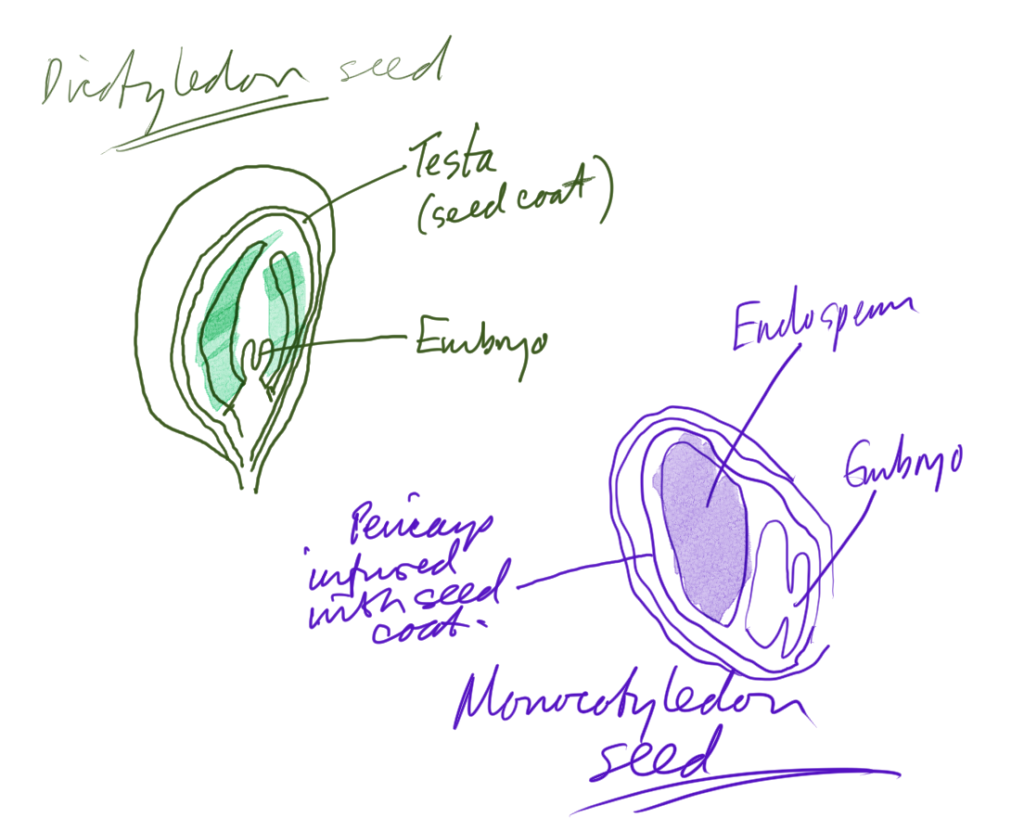
The other kind of propagation is sexual reproduction – which involves the production of a seed. Now for non-horticultural people talking about plants having sex sounds really weird, but believe it or not they do – or rather they do through the help of animals (which includes insects (such as bees and ants) and birds. The process is called pollination, and once it happens leads to the creation of a seed. That’s not where it ends. The seed itself needs to be viable – a viable seed is one which is capable of germination under suitable conditions.
Propagating plants from seed has some horticultural benefits. It produces some degree of variation, from which new cultivars can develop. The process can scale very easily, so seeds can produce large number of new young plants. Seeds are also easy to store until conditions for germination are presented. Seed propagation also makes virus transmission less likely. And for some plants, it’s the only method they can reproduce through.
There are some limitations to seed propagation, too. Some plants may not produce a viable seed, achieving germination can be difficult, and some seeds do not store easily. The resulting plants will lack uniformity (compared to vegetative propagation which essentially clones the plant) and they can take time to reach maturity – while growing a half-hardy annual such as Zinnia from seed will involve sowing in April and achieving full size plants by July or August, growing a magnolia shrub or tree from seed will take 10 to 15 years, whereas a magnolia cutting may produce flowers in 2-3 years.
Seed propagation is enormously important in the growth of vegetables, and for most hardy annuals and bedding plants. Here are some RHS qualification-friendly examples:
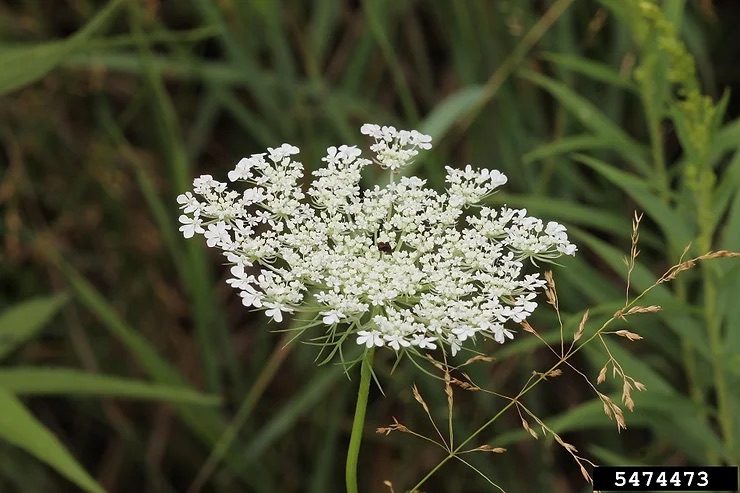
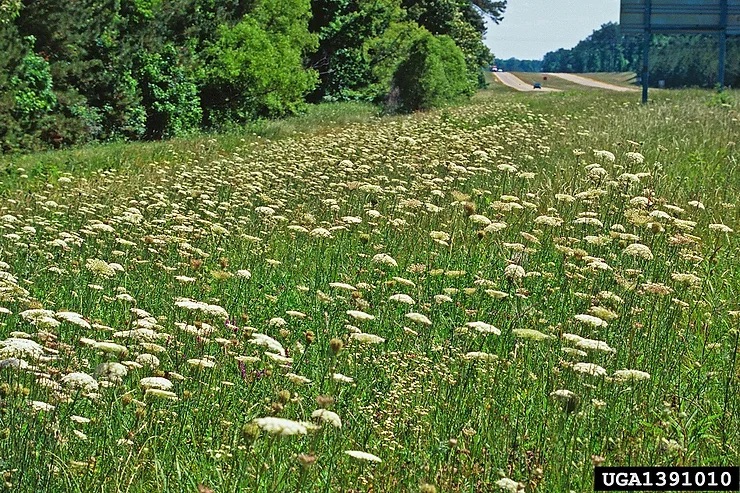
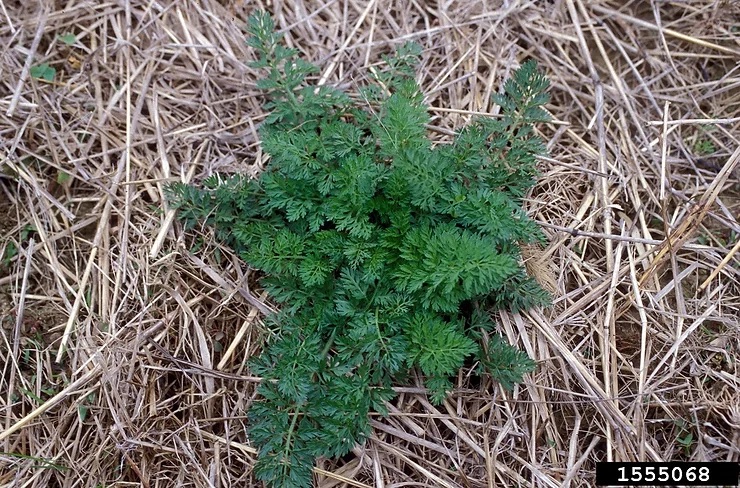
Daucus carota. A wild form of the cultivated carrot – it flowers from midsummer to autumn, with a delicate lacy quality that makes it great in informal borders and wildflower planting schemes. The Daucus carota ‘Dara’ for example has umbel-liferous flowers that are white before they open and then turn pink when open and burgundy once the flowerhead closes. They’re a great cut flower. They also provide autumn and winter interest, as once they’ve flowered, the head folds inwards to develop a concave seedhead that looks like a bird’s nest. They’re sown any time from March to July and flower June to August. They self-sow prolifically.